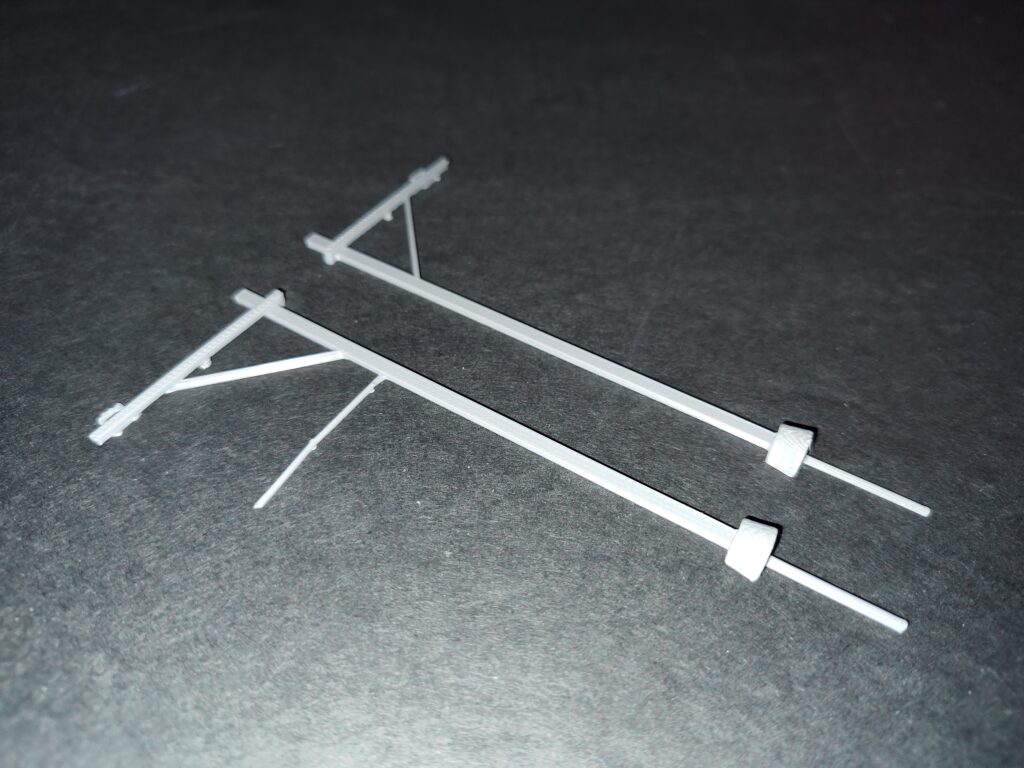
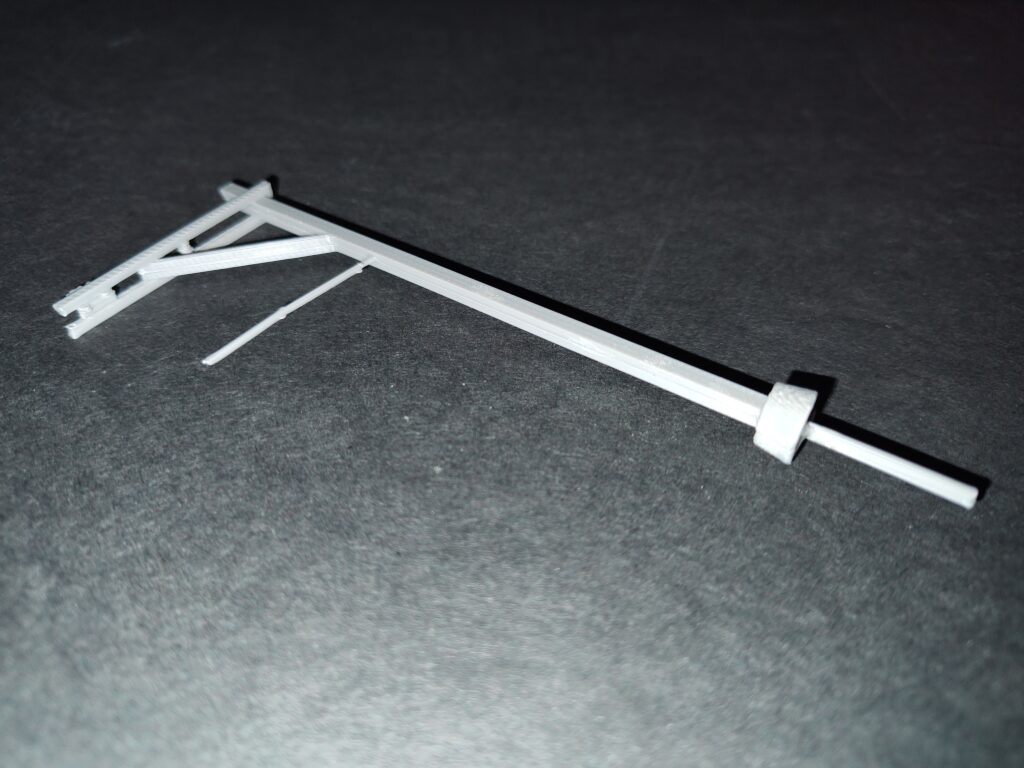
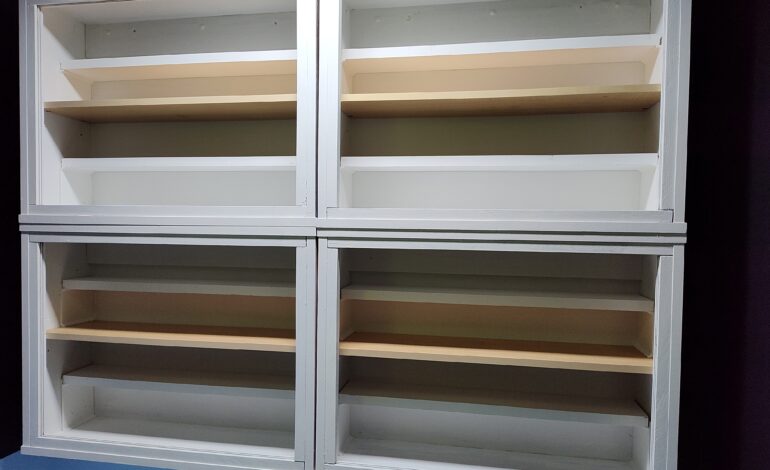
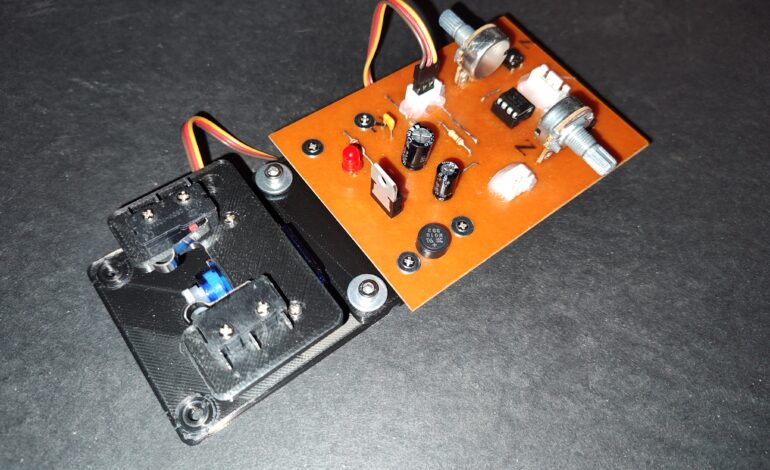
3D printers are becoming more and more affordable, as is the material we use to print with. I use mostly PLA in my accessory prints, two things to keep in mind though are the strength needed and temperature environment our printed models will be living in.
But in general PLA will fit the bill, not only is it the cost-effective print material, but it is also a natural product and very easy to print with. The fumes are not (as) harmful (?) compared to printing with ABS. The PLA is easy to work with and can be glued together with super glue or a two-component resin.
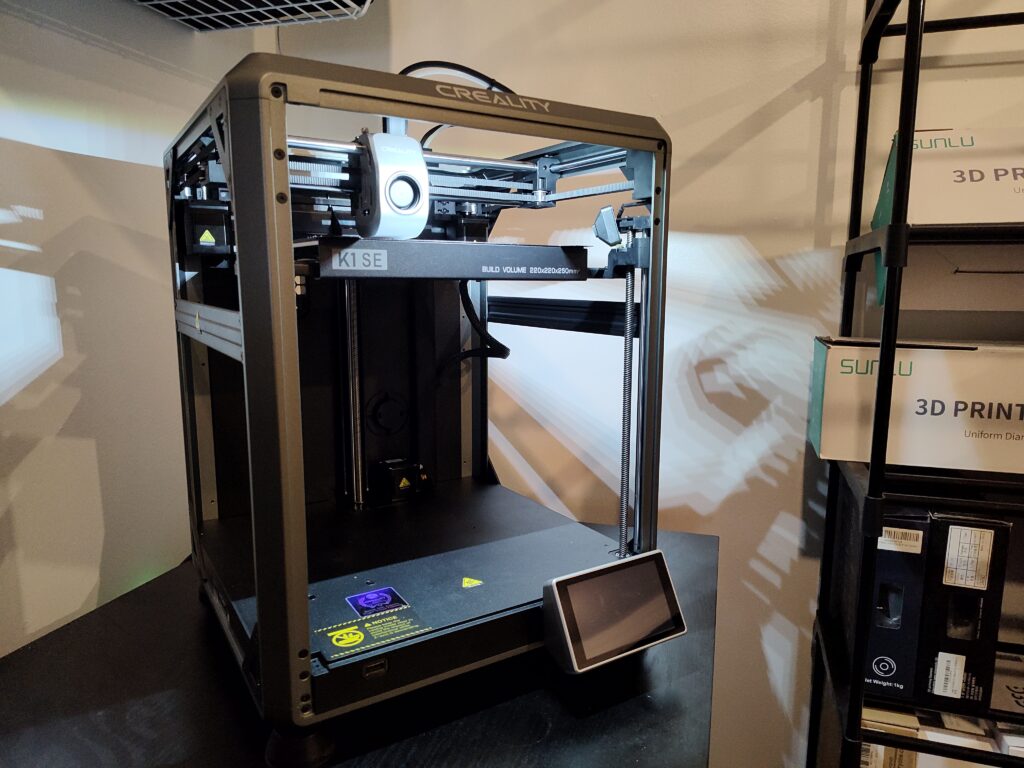
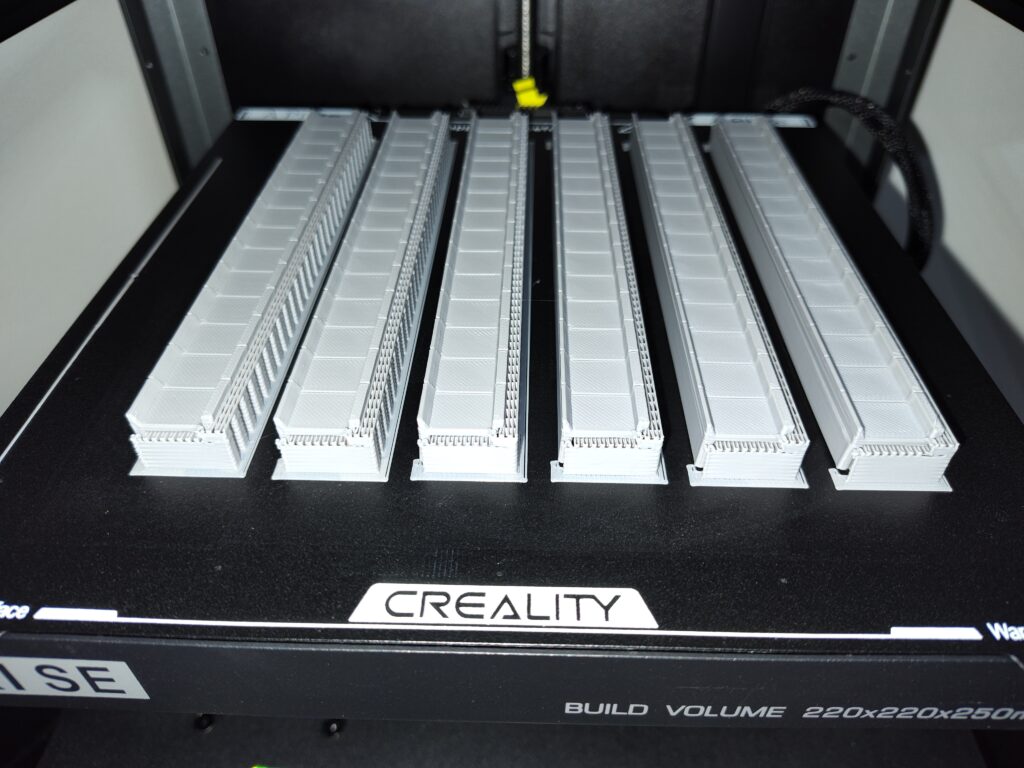
Pictured below is my newest 3D printer, a Creality K1 SE. This is a decent low-cost 3D printer (I bought mine for around $300) and is much faster as my Ender 3 series printers. The Creality K1 SE 3D printer has a maximum printing speed of 600 mm/s and an acceleration of 20,000 mm/s². This high-speed capability allows for efficient and precise 3D printing.
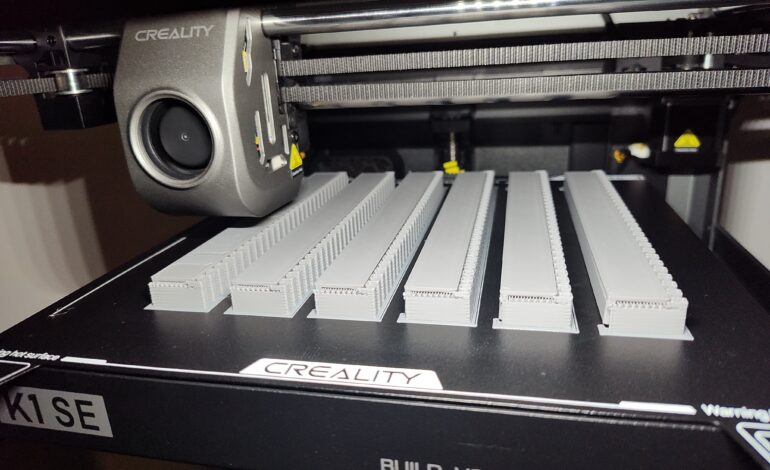
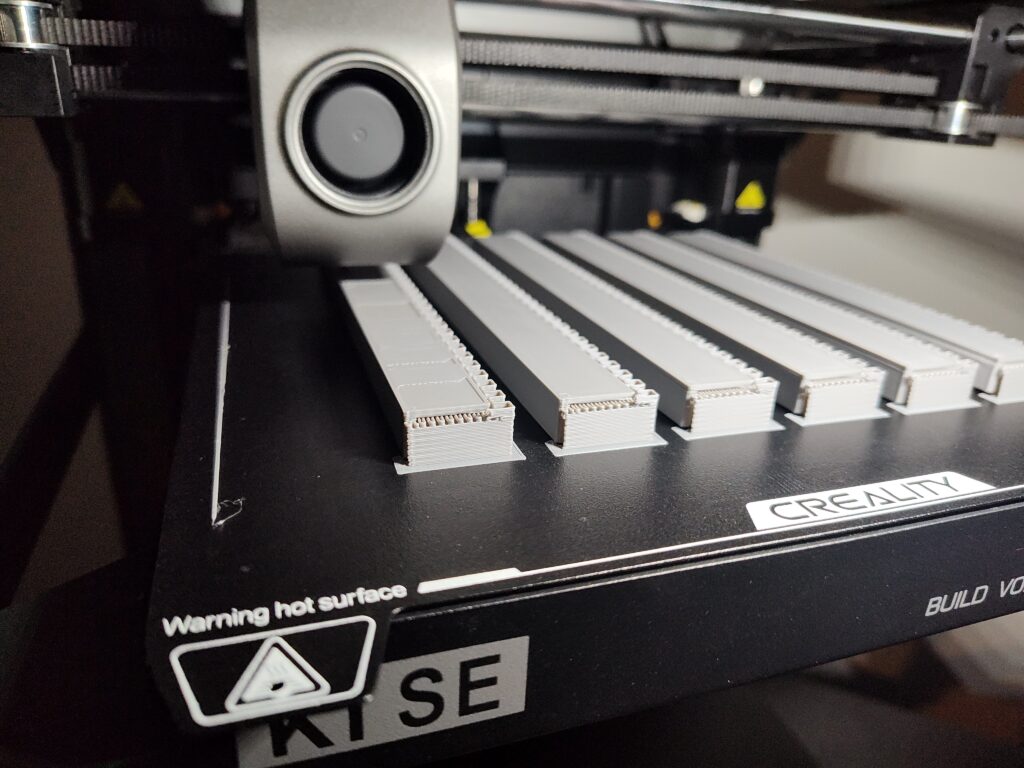
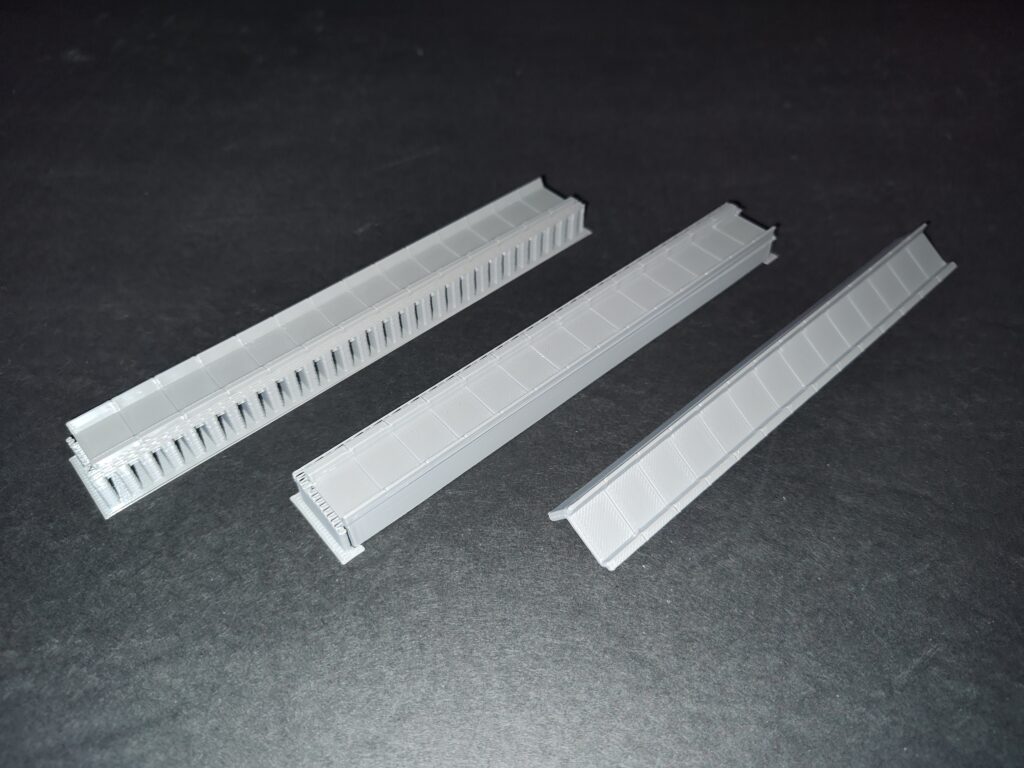
Some of my model railroad accessories I recently printed with this printer:
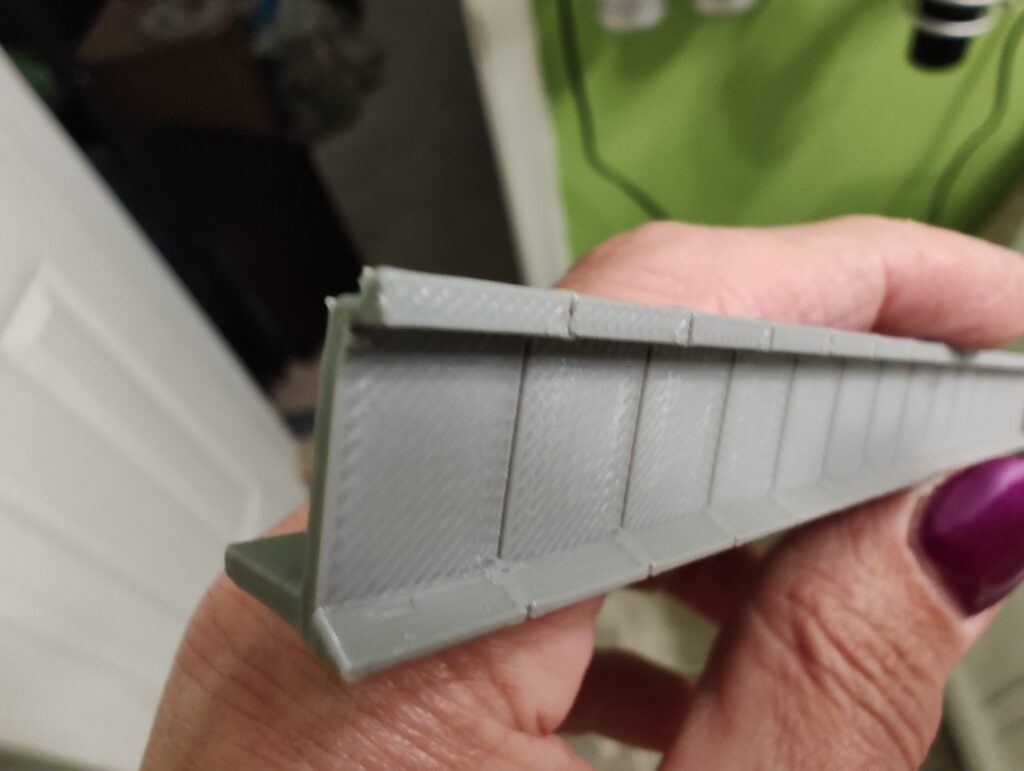
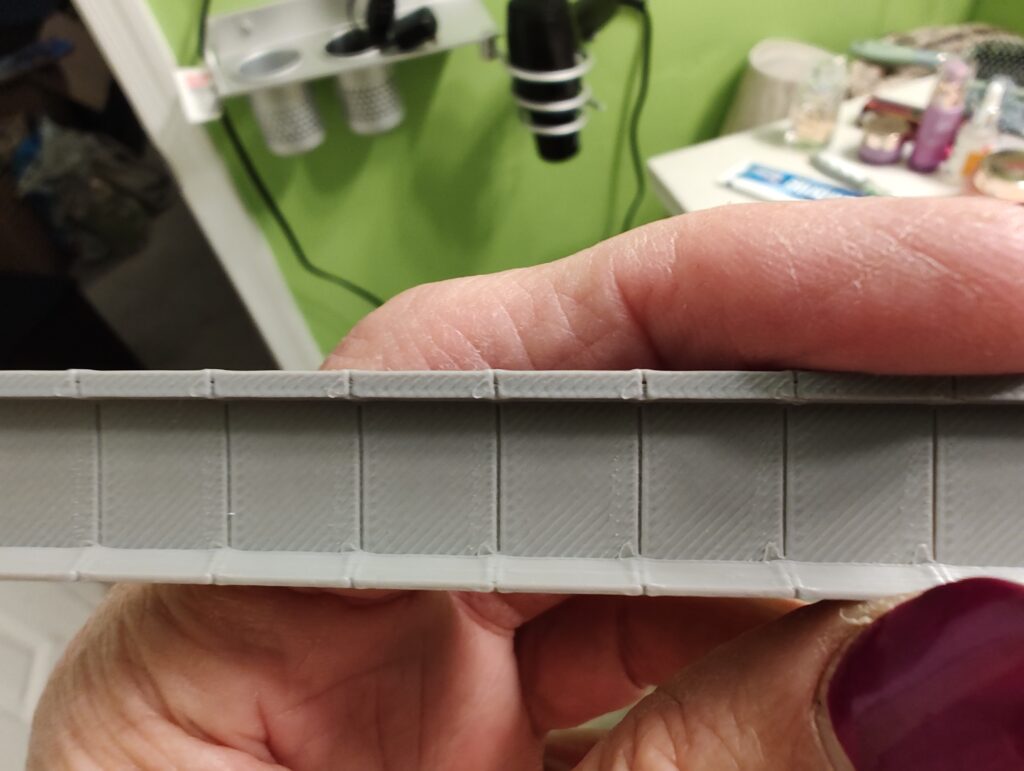
This is a print with 6 pieces of the typical Dutch railway station platform concrete tiles. These platform elements are used in the Netherlands. The standard height of a platform in the Netherlands is 840 mm above the rail. I did not design this model but downloaded the STL file from Thingiverse. The credit goes to “Models-in-scale” by Vladik.
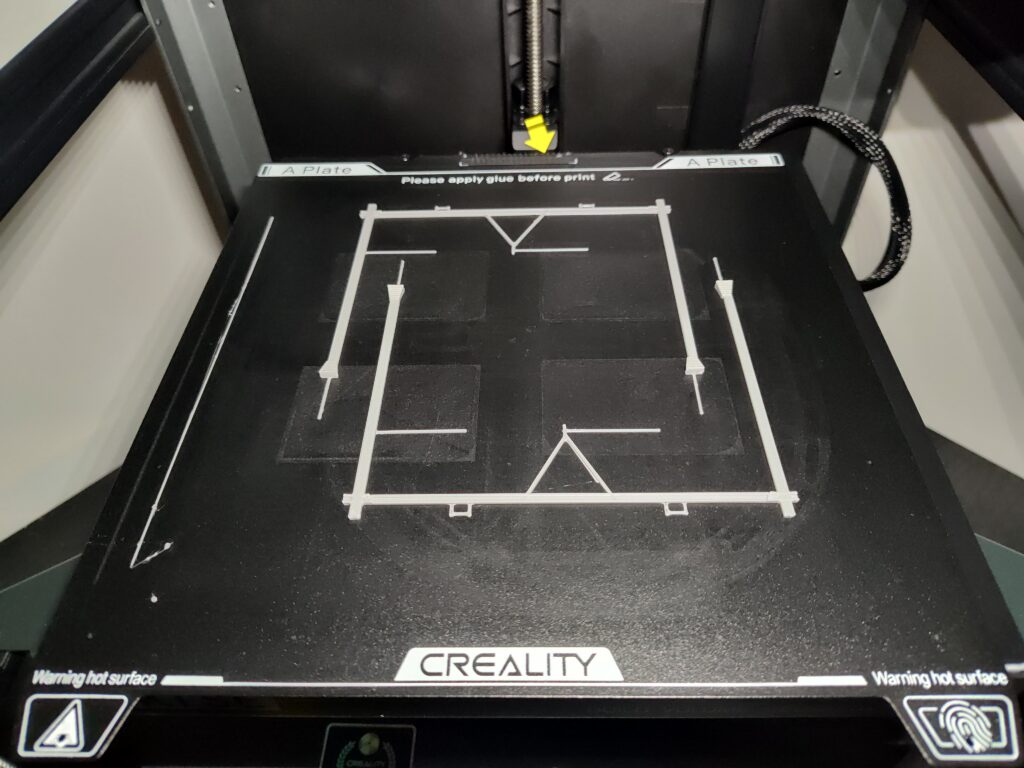
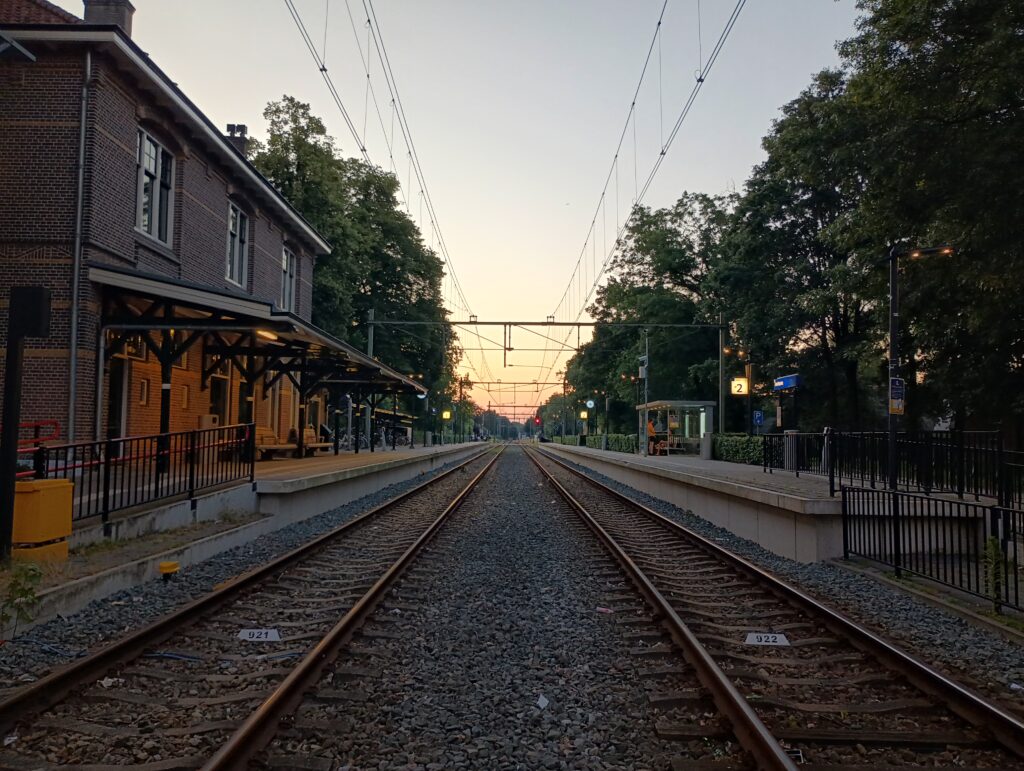
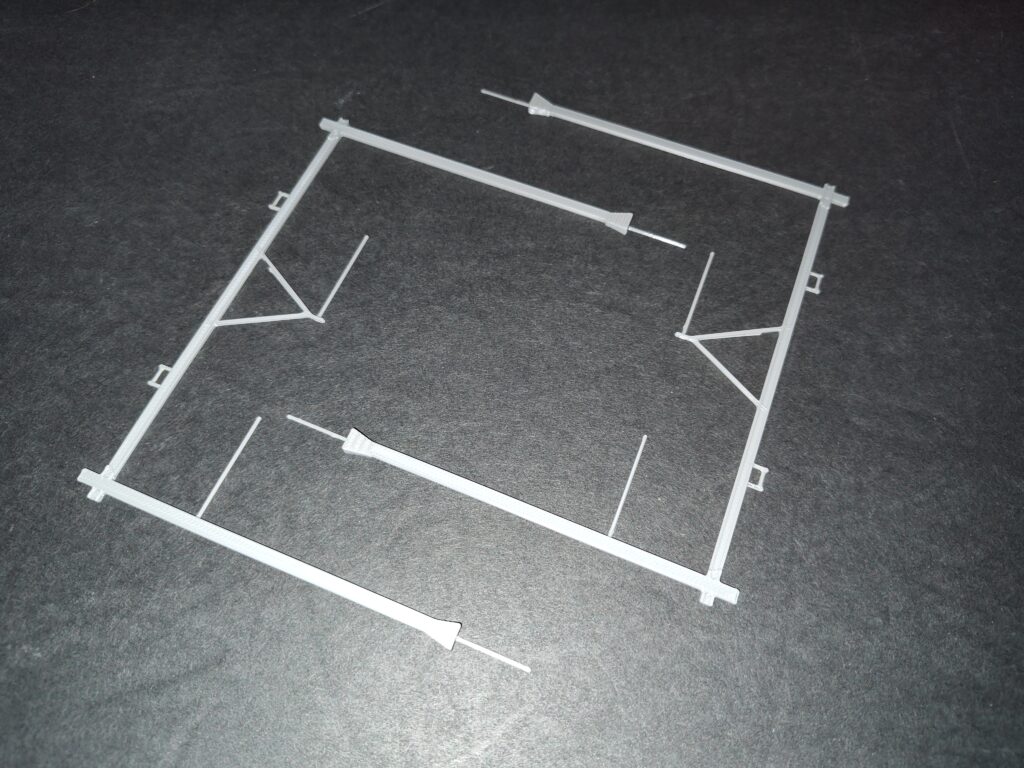
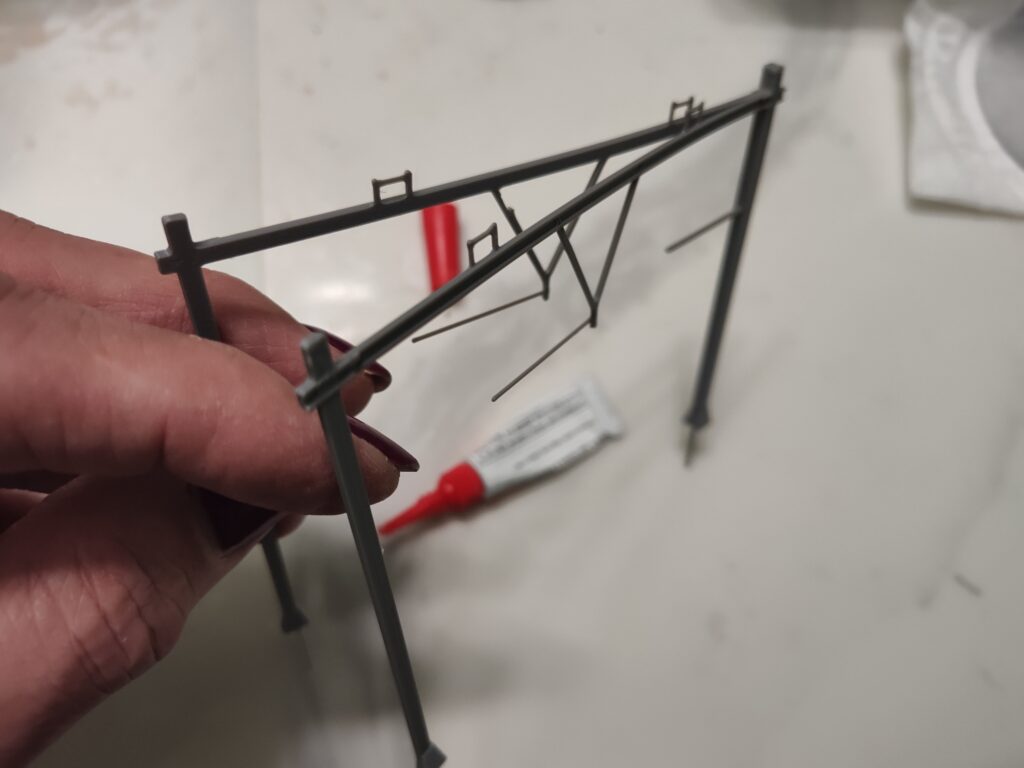
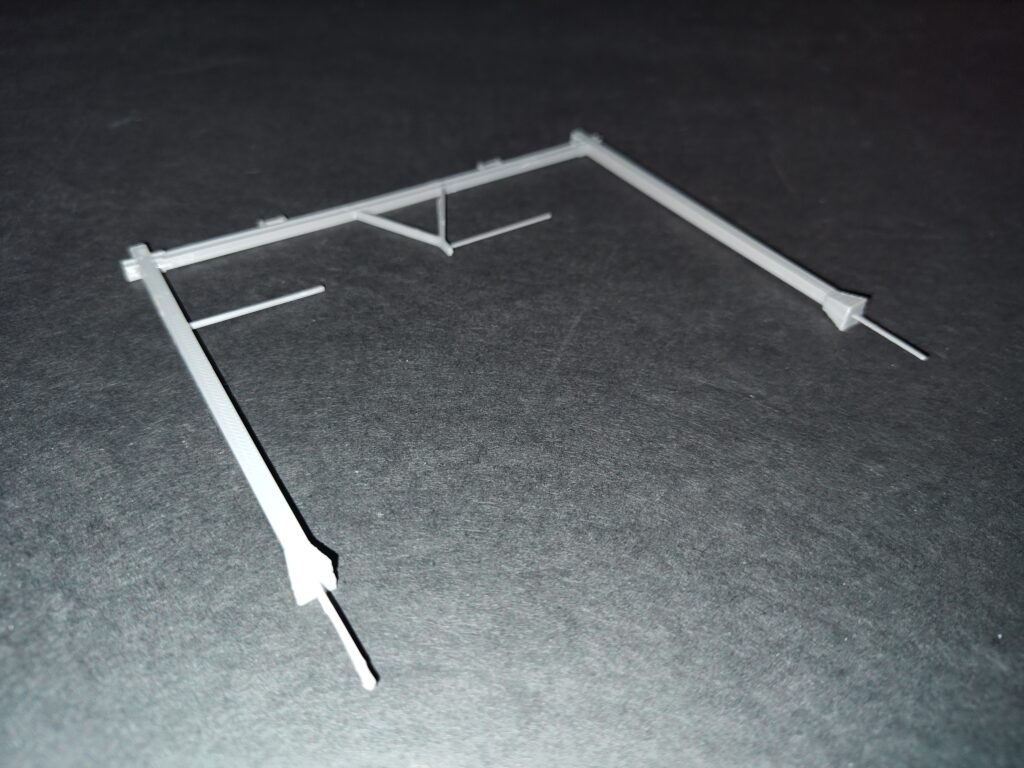
This a series of prints for Dutch catenary mast pillars. Both single track and double track models. The STL file is for one complete model, but since I want this to be a strong print, I printed the model in half of its height, then glueing both halves’ together. I did this by placing the STL file on the print bed and lowering it so that half was below the print bed.
I did not design this model but downloaded the STL file from Thingiverse. The credit goes to “???” by ???.